
TABICLEAR / FOR TRAVELERS · ภาษาไทย
The November 2 earthquake rumor: what travelers to Japan should know and pack
Updated November 3, 2026. Sources include Japanese government pages and news reporting, linked below.
The short answer
A rumor named November 2, 2026 as the date of an earthquake. The Japan Meteorological Agency (JMA) says that, with current science, earthquakes cannot be predicted to a specific date and place, and that messages naming a date and a place should be treated as misinformation (JMA FAQ, in Japanese; Headquarters for Earthquake Research Promotion).
You do not need to change your plans because of a date-specific rumor. Japan does have earthquakes in every region, so the useful step is the same on any date: a little preparation.
Why November 2 was in the news
On November 2, 2026, Japan launched a new government body, the National Disaster Management Agency (防災庁). It takes over and expands the Cabinet Office's disaster-management work, coordinating preparation, response and recovery (Cabinet Office plan for the agency, in Japanese; The Japan Times). It is an administrative change, not a forecast.
Install two official apps before you fly
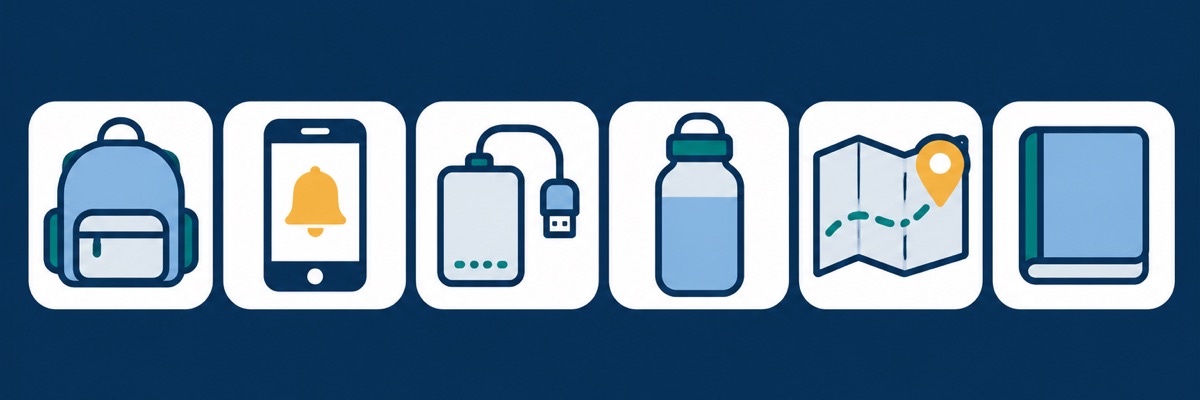
- Safety tips from the Japan National Tourism Organization (JNTO): free push alerts for earthquake early warnings, tsunami warnings, weather warnings and more, in multiple languages including English and Thai.
- NHK WORLD-JAPAN, Japan's public broadcaster: multilingual news and emergency alerts.
What to pack (a small day kit)
Japan's government advises residents to store at least three days, ideally a week, of food and water, with about 3 liters of water per person per day (Cabinet Office disaster guide, in Japanese). As a traveler you are not expected to stockpile, but a light kit helps if trains stop for a few hours:
- A charged power bank and your charging cable
- A bottle of water and a snack
- Any medicine you take, for a couple of extra days
- Some cash in yen, in case card terminals are down
- Your hotel's address written in Japanese, and a photo of your passport
If you feel shaking
Protect your head, stay away from windows and things that can fall, and do not rush outside. Afterward, follow staff instructions and official alerts. Near the coast, if a tsunami warning is issued, move to higher ground right away.
Run tours or experiences in Japan?
Clear pre-booking information (meeting point, what's included, cancellation and weather rules) helps visitors feel safe booking. Get our free 10-point checklist (PDF, in Japanese).